


💡 A Quick Note: How You Can Support Athens by Locals
Athens by Locals is reader-supported. That means when you book tours, hotels, or tickets through the links on our site, we may earn a small commission — at no extra cost to you. It’s a simple way to help us keep sharing honest, local insights about Athens. Thanks for your support!
There are cities you visit, and cities you feel. Athens is the second type.
A place where 3,400 years of history sit comfortably next to modern street life, late-night cafés, rooftop bars glowing above ancient temples, and a rhythm that never fully slows down. This is a travel guide designed to help you understand why Athens works the way it does — not just where to go.
Whether you’re here for one full day, a long weekend, or your first deep dive into Greece’s capital, this guide gives you everything you need: the highlights, the hidden corners, the neighborhoods that shape daily life, and the practical advice locals actually use. And whenever you want to go deeper, you’ll find passes to our dedicated articles across Athens by Locals.
This guide is big — and that’s on purpose. Athens isn’t a city you “skim”; it’s a city you unwrap. So don’t worry about reading everything at once. Think of this page like a local friend pointing you in the right direction. Scroll to the part you need — where to stay, what to eat, what to see, how to move around — and dip into the deeper guides whenever something catches your eye. Start here, wander where you want, come back when you’re ready.
Trust us — you’ll return to this page more than once.
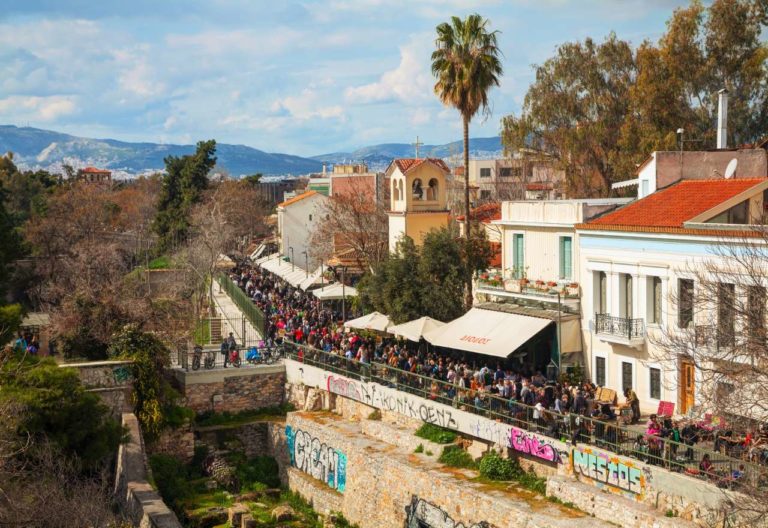
Athens stands out because nowhere else in Europe do everyday streets run directly over ancient ones. You drink coffee on Adrianou Street while walking the same route ancient Athenians used to reach the Agora. You step into the Monastiraki metro and see artifacts found exactly where the platform stands. In Anafiotika, the houses sit on the original rock of the Acropolis — no reconstruction, no staging.

At the same time, the modern city is young and social: students fill Pangrati’s cafés every afternoon, locals gather on Filopappou Hill for the sunset, and dinner rarely starts before 21:00. Understanding this rhythm — slow mornings, lively afternoons, late dinners — is the key to enjoying Athens properly.
Athens works because ancient and modern life happen in the same square meter. Not nearby. Not “in the same city.” Literally on top of each other. That’s what makes it different, and that’s what makes exploring it feel real instead of curated.
Quick Local Essentials (before you dive in)
Whether you’re coming to Athens for culture, food, nightlife, island-hopping, or a bit of everything, a little planning goes a long way. Athens becomes very straightforward once you understand when to visit, how to move around, where to stay, and how much time you really need.
If you want a simple, local-made checklist that covers all of this clearly, our detailed planning guide is here.
Below you’ll find real-life, practical guidance — the way locals explain the city — plus dedicated links if you want to dive deeper into a specific topic.
Spring (March–May)
The sweet spot.
Warm days, cool evenings, blooming hillsides around the Acropolis, and crowds still manageable. This is the best time if you’re after scenery + comfortable walking.
Summer (June–August)
Hot, lively, energetic — and busy.
Expect long sunny days, high temperatures, packed attractions, nightlife in full swing, and perfect evenings on rooftop bars.
If you come in July or August, plan early-morning visits to major sites (especially the Acropolis) to avoid the heat.

Autumn (September–November)
Locals’ favorite.
Sea still warm, temperatures pleasant, sunsets spectacular, and the summer rush fading. September is peak for photography; October for relaxed city wandering.
Winter (December–February)
Underrated and surprisingly charming.
Fewer visitors, mild weather, lower hotel prices, cozy cafés, great museum days.
It’s not beach season, but for culture-focused travelers it’s excellent.
👉 Want help choosing the perfect season to visit Athens? Check our guide here.
Short answer:
You need 3 days to experience Athens comfortably.
One day covers the essentials, but three days allow you to explore local neighborhoods and enjoy the city at its natural pace.
Expanded breakdown:
Perfect if you’re on a cruise or quick stopover. You focus on the Acropolis, Plaka, the Ancient Agora or/plus the Roman Agora, and Monastiraki.
We have a dedicated 1-Day Athens Itinerary if you want structure.
You see the classics + one neighborhood: Koukaki, Pangrati, or Psyrri.
Museum time becomes possible.

The sweet spot. You experience Athens like a local — morning walks, rooftop drinks, a museum, a food market, a sunset hill, and a slow dinner.
You unlock some of the best day trips like Delphi, Cape Sounion, Hydra, and the Athens Riviera.
👉 Here’s how to spend a perfect weekend in Athens.
Athens International Airport (ATH) is about 35 minutes from the center, and getting into the city is simple and safe.
H4: Airport → City Center Options
Metro Line 3
Fast, reliable, air-conditioned.
Runs directly to Syntagma and Monastiraki.
Most visitors choose this.
Airport Bus (X95)
24/7 and cheap.
Arrives at Syntagma Square.
Perfect for late-night arrivals when the metro stops.
Taxi
Fixed fare to the center (day & night rate).
Great if you have luggage or are tired after a long flight.
Private Transfers
Ideal if you want zero stress.
👉 Prefer a smooth, no-thinking arrival? See our trusted Athens airport transfer options here:
Athens looks big on the map, but most of what visitors want is concentrated around the historic center. Movement is easier than most expect.
Athens is surprisingly walkable:
Plaka → Anafiotika → Acropolis → Thissio → Monastiraki can be done in one beautiful loop.
That’s why many of our neighborhood guides include suggested walking routes.
Covers most major districts:
Syntagma, Acropolis, Koukaki, Omonia, Gazi, Kolonaki, Marousi.
Stations are clean and modern (some even show archaeological finds).
Avoid rush hour if you can (8–10 am & 5–7 pm).

Taxis are inexpensive compared to most European capitals.
The app “Beat” is the local favorite — reliable, safe, and easy to use.
Good for reaching the coast (Athens Riviera).
Not essential inside the center but useful if your hotel is seaside.
Athens is generally safe. The only areas first-time visitors should skip late at night are certain blocks around Omonia. Nightlife districts like Koukaki, Psyrri, and Gazi stay busy and safe until late.
👉 Here’s our detailed guide on how to get around Athens.
Choosing the right area in Athens matters more than finding the “perfect” hotel. The city is compact, but each neighborhood has a very different feel — from postcard views and rooftop bars to lived-in streets and quiet local squares. Once you pick the right base, everything else (food, walks, nightlife, transport) falls into place.
Below is a quick, honest breakdown to help you match your stay to your style, plus links to deeper guides if you want to compare specific hotels.
If it’s your first time in Athens and you want to walk almost everywhere, start here:
👉 For a full comparison of areas and hotel types, check our Where to Stay in Athens guide (city-wide overview by neighborhood and budget).

If waking up or falling asleep with the Parthenon in sight is non-negotiable:
👉 We’ve already done the hard work:
look at our Acropolis View Hotels in Athens, Hotels Near the Acropolis, and Hotels Near Plaka shortlists if a room-with-a-view is your priority.
If you prefer to feel like you’re staying in Athens rather than just near the sights:
👉 Our neighborhood-focused hotel picks in Where to Stay in Athens and Cheap Hotels in Athens are a good starting point if you’re balancing local vibe with budget.
If you want city access and sea breeze:
👉 For a full breakdown of coastal neighborhoods and hotel ideas, see our Where to Stay on the Athens Riviera guide.
If you have a very early flight or a tight connection, staying near the airport or along the highway corridor can make sense:
👉 Our Athens Airport Hotels guide highlights the most practical options for short, functional stays.
In every area above, Athens offers everything from simple guesthouses to boutique hotels and full-service stays.
If you don’t want to lose time comparing endless options, start with our handpicked area guides and then filter through Booking.com for your exact dates, budget, and preferences — it’s how most locals here quietly do it too when they travel.
If you want a visual overview of how the neighborhoods sit around the Acropolis and the coastline, we’ve created a custom Athens by Locals hotel map — a simple, interactive way to compare areas at a glance:
👉 See the Athens Hotel Map here
Athens can be as affordable or as premium as you want.
Compared to Western Europe, food, transport, and entertainment remain relatively budget-friendly.
👉 Here’s our guide on how money in Greece works and how you can better handle your budget.
Athens is filled with landmarks you’ve seen in books long before you ever set foot in the city. What makes visiting them different here is the scale: everything is close, walkable, and tied to everyday life. You’re not being transported into a separate “historic zone” — the ancient city is woven into the living one.

Below you’ll find the essential sites, explained clearly, with local context and small details that make your visit more meaningful. Whenever there’s a deeper guide available on Athens By Locals, you’ll see a natural nudge toward it.
If it’s your first time in Athens, this is the shortlist: the Acropolis, the Agora, the Temple of Olympian Zeus, and the streets that connect them. Each site is impressive on its own, but together they tell the full story of what ancient Athens was — a political experiment, a place of philosophy, a city of citizens and ideas.
👉 If you want to see the Acropolis, Ancient Agora, and Temple of Olympian Zeus without juggling different tickets, time slots, and rules, the Athens Mythology Pass is the cleanest way to do it. It locks your Acropolis timed entry, bundles all three sites into one checkout, and gives you clear digital guides so your day flows instead of breaking into pieces.
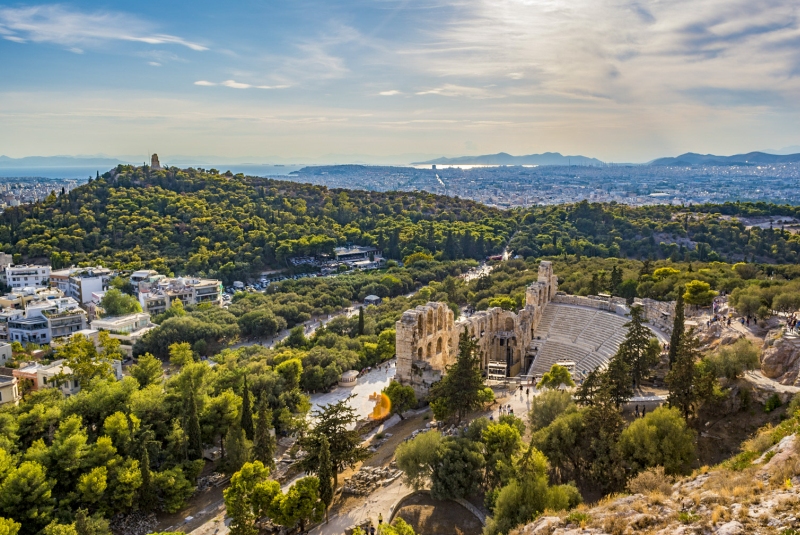
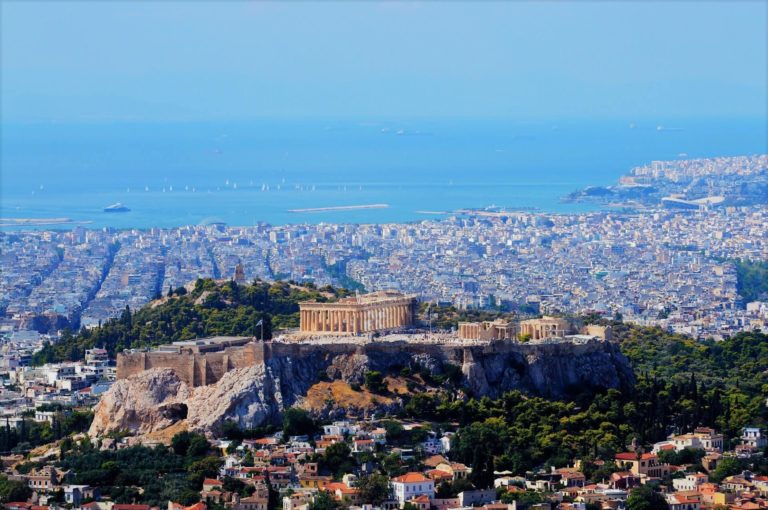
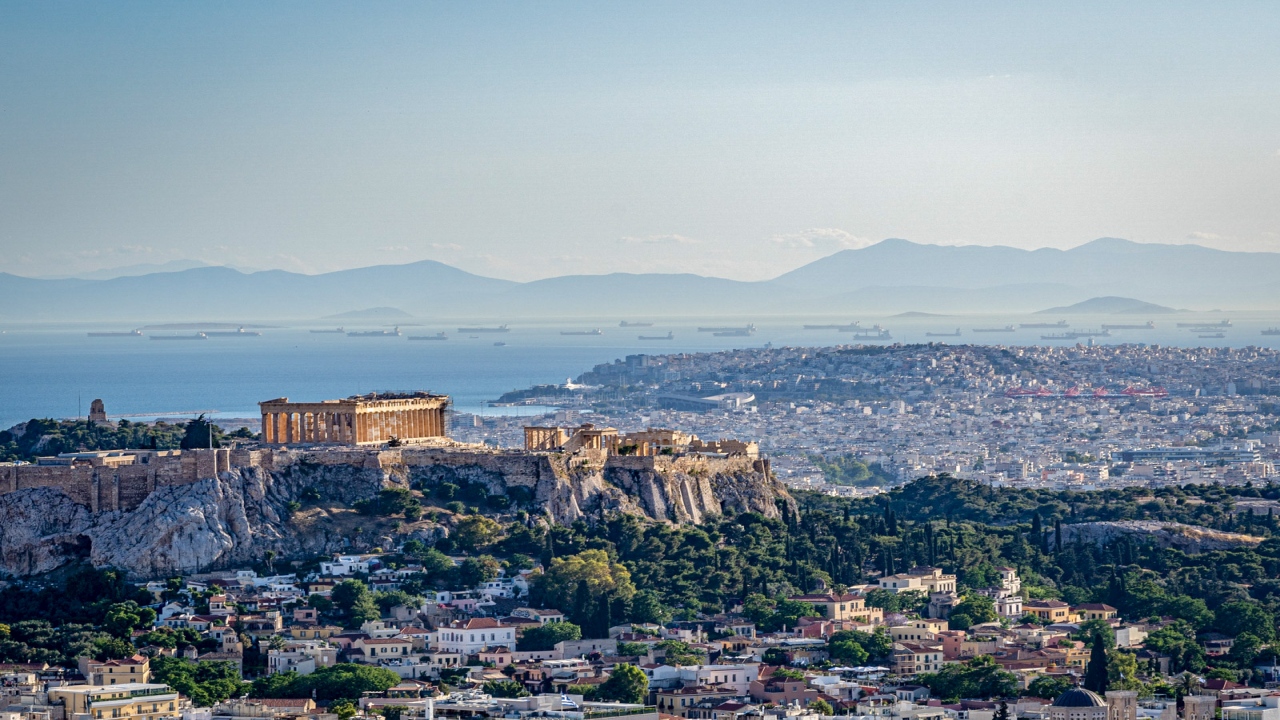
The Acropolis is more than a monument — it’s Athens’ compass.
Wherever you are in the city, you can usually see its pale marbles catching the sunlight. Climbing the hill early in the morning (before the heat and the crowds) is one of the best experiences a traveler can have.
What makes the Acropolis special?
Best time to visit:
Before 9:00 or after 17:00.
Sunset on the Parthenon is unforgettable, but midday heat is not.
Pro tip:
After visiting the hill, follow our internal Athens Acropolis Guide for the full story — including the nearby slopes, shrines, caves, and smaller sanctuaries people often skip.
👉 Want the easiest way to book Acropolis tickets without the guesswork? Here’s how to do it the right way.

If the Acropolis was the spiritual center, the Ancient Agora was the everyday heart — where Athenians met, argued, voted, taught, traded, and shaped ideas that still influence modern democracies.
Walking through the Agora today feels like stepping into a living textbook. The paths are wide, the ruins spread generously, and the reconstructed Stoa of Attalos gives a sense of scale that most ancient sites lack.
Don’t miss:
👉 If you like archaeological depth, you’ll enjoy our article: Ancient Agora of Athens.
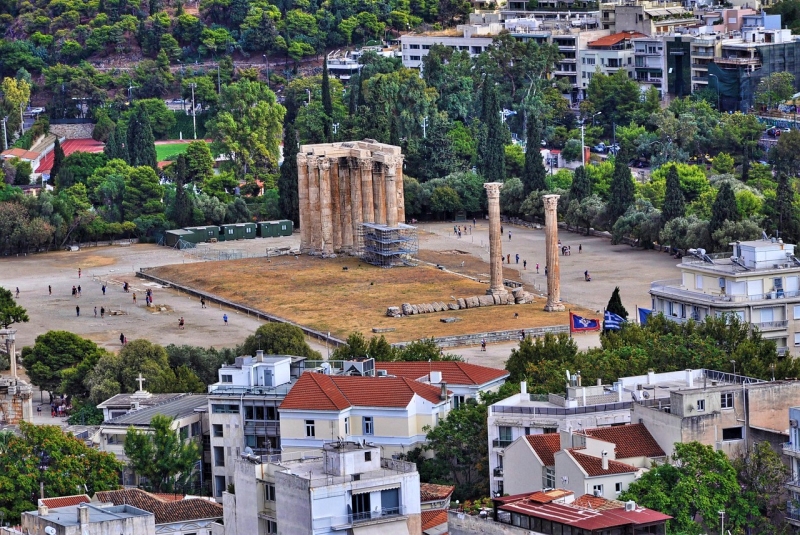
A set of colossal columns standing in open space near the National Gardens and Syntagma.
It’s easy to underestimate until you stand next to it — the scale is enormous. These columns were part of a temple dedicated to Zeus, one of the largest ever built in the ancient world.
Local tip:
Combine this with a stroll through the National Garden and Zappeion, then continue toward the Panathenaic Stadium — one of the most photogenic walks in central Athens.
👉 If you want the Acropolis, Ancient Agora, and Olympian Zeus in one smooth plan, the Athens Mythology Pass bundles everything — timed entry included — so you skip the admin and focus on the sites.
Museums in Athens are not “backup options on a rainy day.” They’re world-class, rich, beautifully curated, and absolutely worth your time.
Architecturally stunning: glass floors, natural light, direct views toward the Parthenon, and a layout that tells the story of the Acropolis from its foundations upward.
Highlights:
Perfect pairing: visit right after or right before the Acropolis.
👉 Here’s a must read about how to visit the Acropolis Museum in Athens.
The largest museum in Greece with collections covering prehistoric, Mycenaean, classical, and Hellenistic eras.
It’s vast, but not overwhelming — especially if you follow our how to visit the National Archaeological Museum guide.
A beautifully designed museum focusing on the Cycladic civilization — minimalistic marble figurines, ancient art, and rotating contemporary exhibitions. If you appreciate clean design, this museum will impress you.
Athens isn’t just monuments — its neighborhoods carry the city’s shape, history, and personality. These are the ones that hold the essence of old Athens.

Athens is a city of hills and balconies — and the views prove it.

Athens is a city of micro-communities.
Two streets can change everything: atmosphere, architecture, food scene, noise level, and who you’ll meet. The best way to understand Athens is to think of it as a collection of distinct “villages,” each with its own personality and rhythm — all connected by walkable distances or a short metro ride.
Below is a clear, practical, and honest breakdown of the neighborhoods visitors care about most. Some are iconic. Others are local. All are worth knowing.
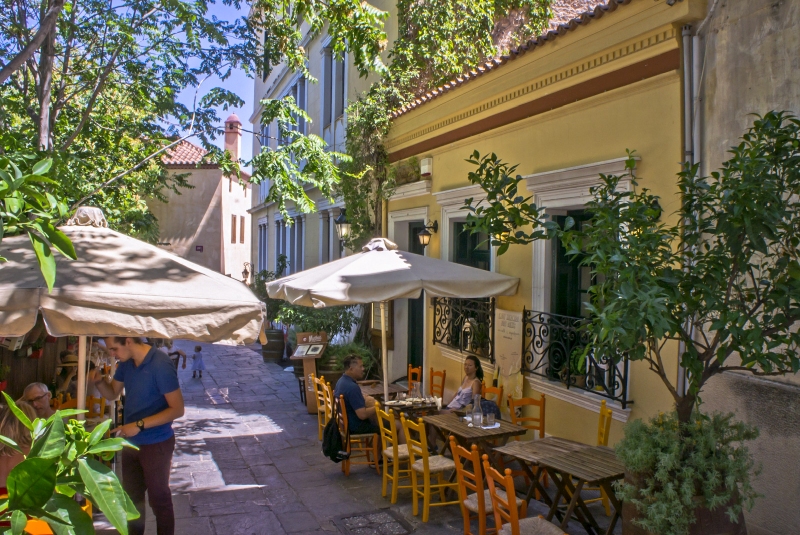
This is the Athens you’ve seen in postcards. It’s where ancient stones meet neoclassical façades, narrow alleys, flower pots, and homes that feel like they’ve been around forever.
Walk it, don’t rush it.
Plaka is the oldest neighborhood in the city, built directly on top of ancient Athens.
Think neoclassical architecture, quiet pedestrian lanes, small squares, and views that constantly reveal the Acropolis above you. Yes, it can be busy, but that’s because it’s genuinely beautiful.
Best for:
What makes it unique:
Plaka is a living museum, but still a real neighborhood. The moment you leave the main streets (Adrianou, Kydathinaion), you’ll find calm pockets that feel almost untouched.
👉 Explore our full Plaka Neighborhood Guide to find hidden corners, quiet streets, and places most visitors never reach.
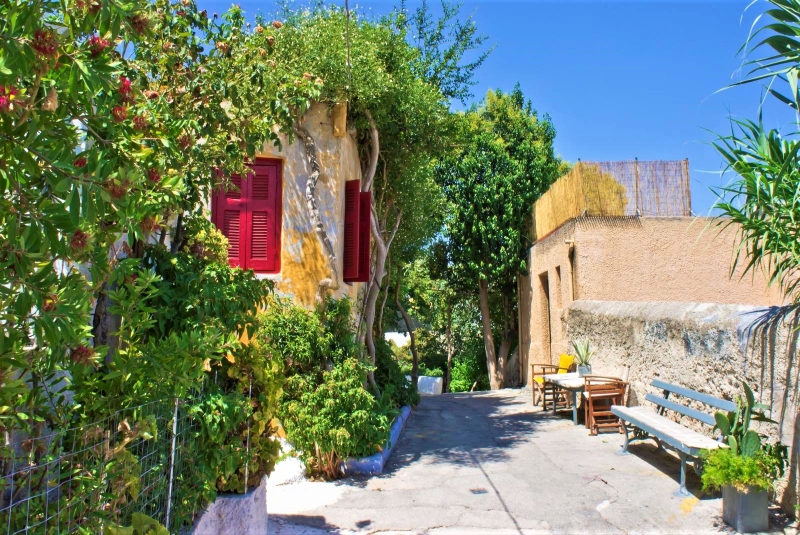
Anafiotika is tiny — just a handful of whitewashed houses built by expert stone masons from the island of Anafi in the 19th century.
It feels unreal: blue shutters, small courtyards, cats sunbathing, narrow passages that twist between homes.
Best for:
Local tip:
Respect the area — people live here. Stay quiet, avoid climbing on rooftops, and go early to enjoy it peacefully.
👉 Anafiotika in details. Read about the hidden village under the Acropolis.

The Thissio neighborhood offers wide pedestrian streets, beautiful views of the Acropolis, cafés with terraces, and access to Filopappou Hill.
This is where Athenians go for slow evening walks, especially in spring and autumn.
Best for:
Combine with: Filopappou Hill for a golden-hour climb, or a stroll toward Ancient Agora.
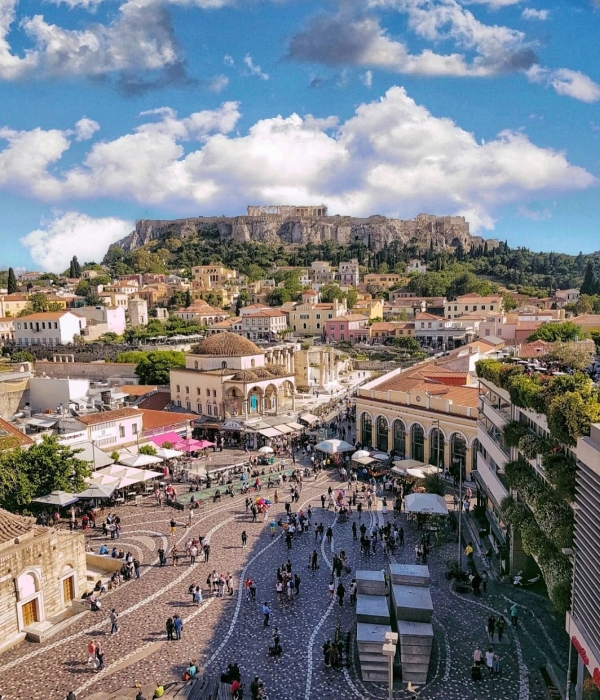
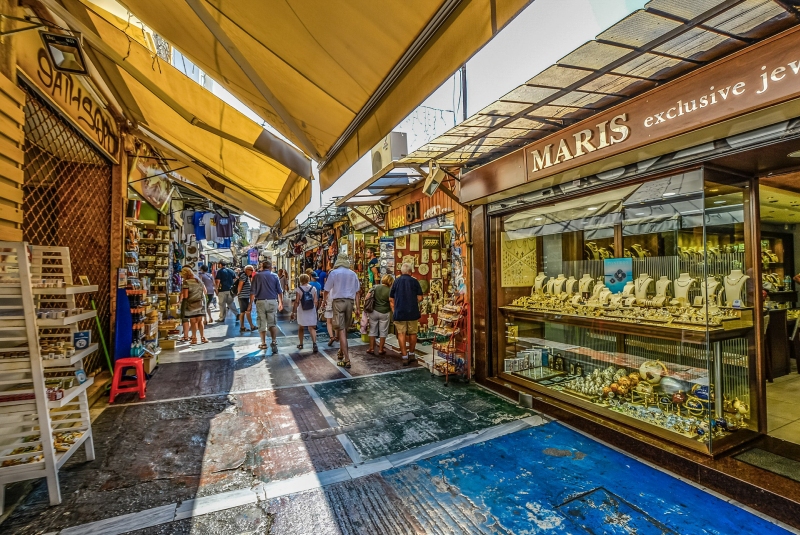
Monastiraki is lively, loud, colourful, and unforgettable.
It’s the beating heart of Athenian street life, with the flea market, food stalls, rooftop bars, and views of the Acropolis.
Best for:
Local tip:
Go in the morning for calmer streets, and return at night for a rooftop drink facing the Parthenon.
👉 Read all you need to know about Monastiraki.
These are the neighborhoods where the Athenian lifestyle unfolds today.
Creative, young, full of energy, food, nightlife, and indie shops.
If Plaka is history, these areas are the present.
Koukaki has become one of the most desirable neighborhoods in the city.
It’s stylish without trying too hard: brunch spots, modern bistros, bakeries, art shops, and quiet residential streets.
Plus, it’s a few minutes from the Acropolis.
Best for:
Local tip:
The small streets behind Filopappou offer some of the best sunset views without crowds.
👉 Our Koukaki Guide includes food tips and local bars worth trying.
Pangrati is where many young Athenians choose to live.
It’s lively but not chaotic, packed with cafés, bars, bakeries, bookstores, and stylish little restaurants. The old Panathenaic Stadium sits right next to it, giving the area a historic backdrop.
Best for:
Petralona is split into Upper and Lower sections, both filled with tree-lined streets, family homes, wine bars, and small restaurants.
It feels lived-in: kids playing, neighbors chatting, the smell of homemade food drifting from balconies.
Best for:
Local note:
Petralona gives you a glimpse of “old Athenian life” without feeling staged.
Exarcheia ia a neighborhood with character — and opinions.
Street art, indie bookstores, small theaters, vinyl shops, political murals, and cafés filled with students.
It’s safe enough during the day, vibrant at night, but not the ideal nighttime spot for first-time visitors who aren’t used to big-city grit. Read our guide here.
Best for:
Local tip:
If you enjoy urban culture, check out Exarcheia in daylight. It’s packed with personality.
Kolonaki is Athens’ upscale district — designer stores, art galleries, wine bars, boutique cafés, and quiet residential streets climbing up toward Lycabettus Hill.
Best for:
👉 Looking for the best places to shop in Athens? Our local guide covers everything from boutiques to hidden finds.
Just a short tram or taxi ride from the center, the Athens Riviera stretches along the coastline from Flisvos to Vouliagmeni — palm trees, marinas, seaside promenades, beaches, and open-air bars.
Perfect if you love the city but want a taste of island life.
A beautiful marina area with walking paths, sailing boats, and family-friendly cafés.
Great for morning walks or relaxed dinners by the sea.
Lively, stylish, full of restaurants, boutiques, and bars.
It’s the most “modern Greek-American” neighborhood — polished, international, easy to navigate.
A seaside neighborhood where Athenians go to swim, relax, and explore rocky coves.
Home to some of the city’s best beaches and natural pools.
Greek food is simple, ingredient-driven, generous, and honest.
Athens takes those qualities and adds its own tempo: louder, warmer, and more social. Meals here aren’t rushed. Even a quick lunch feels like a pause rather than a task.
Whether you’re looking for classic tavernas, modern Greek cuisine, seafood by the sea, or street food that tastes way better than it should, Athens delivers.

If you want to understand Athens, start with the classics. Traditional Greek food is built around olive oil, lemon, herbs, quality vegetables, grilled meats, and fresh seafood. It’s Mediterranean at heart, but with centuries of local character behind it.
Here are the must-try staples:
The unofficial national food. Cheap, fast, everywhere — but when done right, it’s a thing of beauty. Thinly sliced pork or chicken, wrapped with tomato, fries, tzatziki.
Try it from smaller, locally loved spots rather than “tourist versions” around Monastiraki.
Greek “tapas,” but more social.
Dishes arrive gradually: grilled meats, dips (tzatziki, melitzanosalata), fried zucchini, saganaki cheese, fresh bread.
Meze dinners can last hours — in a good way.
Greek salad is not a side. It’s a full dish.
Tomatoes, cucumbers, olive oil, oregano, olives, and a slab of feta.
In summer, it tastes entirely different — juicier, sweeter, more fragrant.
From grilled octopus to fresh sardines, fried calamari, mussels, and ouzo-paired meze.
Seafood is best enjoyed near the coast (Athens Riviera), but many city tavernas do it exceptionally well.
Think stews, oven-baked dishes, and recipes families keep for generations — moussaka, gemista, pastitsio, lamb in parchment, chickpea stews.
Comfort food at its best.
Athens doesn’t have a single “food district.”
Good meals are spread across the city — in small alleys, quiet corners, neighborhood squares, and seaside promenades. Below is a guide by style rather than by name, so you know what kind of place to look for wherever you are.
These are the heart of Athenian dining culture.
Wooden chairs, paper table covers, grilled meats, family recipes, loud conversations, warm lighting. No pretense — just great food.
Best neighborhoods for tavernas:

Seafood is part of Athenian identity.
You’ll find excellent options in neighborhoods close to the sea, but also in the city center.
Where to look:
Local tip:
Always ask what’s fresh today — Greek tavernas will tell you honestly.
Athens is innovation-driven.
Chefs experiment with local ingredients, modern techniques, and international influences — but always maintain a Greek core. These restaurants tend to be beautifully designed, with carefully crafted menus.
Best neighborhoods:
Athens is surprisingly vegetarian-friendly.
Lentils, chickpeas, baked vegetables, stuffed peppers, salads, pies — Greek cuisine naturally includes many plant-based dishes.
You’ll find excellent vegetarian spots especially in:
👉 These are the best restaurants in Athens and the places where locals actually go.
Athenians snack — a lot.
Street food is part of the city rhythm: quick, cheap, delicious, and found in every neighborhood.
A ring of sesame bread sold from small yellow carts.
Crispy, soft, slightly salty.
Often eaten on the go, especially in the city center.
Bakeries in Athens are exceptional — fresh pies (spanakopita, tiropita), sourdough loaves, croissants, sandwiches, and desserts.
You can eat breakfast in a bakery every day and never run out of choices.
Chaotic, loud, colorful — real life.
Fish, meat, olives, spices, nuts, and traditional ingredients.
If you enjoy seeing the “working side” of a city’s food culture, this is a must.
👉 Athens Central Market is certainly a spot that deserves to be explored.
Beyond gyros and souvlaki, Athens offers:
Street food is an experience, not a fallback.
Athens is a café city.
People work, study, and socialize in cafés more than almost any other European capital. Coffee culture is strong, and so is nightlife — which often blends smoothly into one long day.
Coffee is a ritual.
From traditional “ellinikos” to freddo espresso, freddo cappuccino, filter brews, and specialty roasters — Athens has it all.
The best café scenes are in Pangrati, Koukaki, Chalandri, and Kerameikos.
This is where Athens truly shines.
Rooftops in Monastiraki, Thissio, Psyrri, and Syntagma offer stunning night views of the Parthenon lit against the sky.
Local tip:
Go just before sunset — the transition from daylight to night is magical.
👉 See some Rooftops bars with a view of the Acropolis
Greek wine is having a renaissance.
Small wine bars across the center and southern neighborhoods offer curated selections of Assyrtiko, Xinomavro, Moschofilero, and blends you won’t find abroad.
Best areas:
Athens has several nightlife personalities, depending on your mood: chill, vibrant, classy, alternative, loud, quiet, romantic, or experimental. The best way to enjoy it is to pick the type of night you want — then choose a neighborhood that matches it.
As you can see each area offers a different vibe. If you pick your neighborhood right, you almost can’t go wrong.

Nightlife in Athens is generally safe, friendly, and comfortable. Still, a few insider notes will make your night smoother:
Athens is easier to plan than it looks. The historic center is walkable, the major sights sit within minutes of each other, and neighborhoods blend naturally — Plaka into Anafiotika, the Acropolis slopes into Thissio, and Monastiraki into Psyrri. With the right rhythm, you can see a lot without rushing.
These itineraries show the actual flow locals recommend based on time, distance, and daylight.
If you only have one full day, the goal is simple: Hit the essentials without rushing, enjoy a real Athenian meal, and catch a sunset somewhere beautiful.
Morning — Acropolis & Parthenon
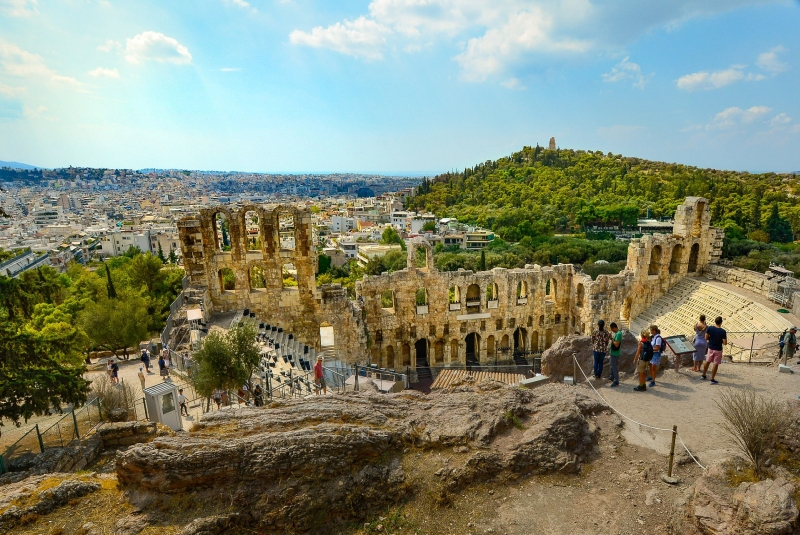
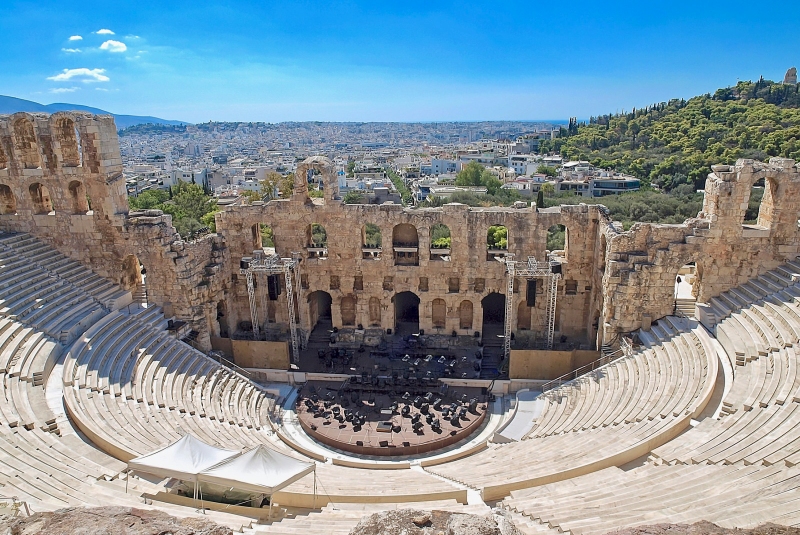
Start before 09:00. Walk the ancient slopes, Theatre of Dionysus, then the Parthenon while the marble is still cool. Read here how to visit the Parthenon.
Late Morning — Acropolis Museum
A perfect follow-up. The Parthenon Gallery ties everything together and gives context to what you saw earlier. Acropolis Museum: Insider Tips & Visitor’s Guide
Lunch — Koukaki
A short walk from the museum. Choose one of the modern bistros or traditional tavernas for a relaxed lunch. Koukaki district all you need to know
Afternoon — Plaka → Anafiotika
Stroll through Plaka’s quiet alleys, then take the short climb into Anafiotika — the Cycladic-style micro-neighborhood under the Acropolis.
Sunset — Areopagus or Filopappou Hill
Two of the best free viewpoints in the city.
Evening — Rooftop in Monastiraki
End the day with the Parthenon lit up.
👉 If you only have 24 hours in Athens, this guide is your one-day in Athens lifeline.
Two days give you room to breathe.
You get the highlights, a neighborhood experience, and a proper night out.
Day 1: Follow the One-Day plan.
Day 2 — Morning: Ancient Agora & Thissio
Wide paths, the Temple of Hephaestus, and greenery.
Lunch — Thissio or Monastiraki
Easy choices for classic Greek dishes.
Afternoon — Syntagma → National Garden → Zappeion
A peaceful stroll through classical architecture and green spaces.
Late Afternoon — Kolonaki
Walk uphill through quiet residential streets, grab a coffee or wine, explore galleries.
Evening — Dinner + Drinks
Kolonaki (stylish), Pangrati (creative), or Koukaki (casual).

This is the sweet spot.
Three days let you enjoy Athens fully — culture, neighborhoods, food, and a mini getaway within the city.
Day 1 & 2: Follow the above.
Day 3 — Morning: Museum of Your Choice
Lunch — Pangrati or Koukaki
Two of the best food neighborhoods.
Afternoon — Athens Riviera
Flisvos or Glyfada for sea views, marina walks, cafés.
👉 Read our Athens Riviera Guide
Sunset — Vouliagmeni
One of the most beautiful golden-hour spots.
Night — Wine bar or relaxed dinner
Pangrati, Petralona, or Thissio.
👉 Here’s a perfect itinerary for spending a weekend in Athens.
With four days, Athens feels like home. You can go slower, explore deeper, and discover corners most visitors miss.
Extra time means you can explore like a local.
Day 4 – Morning — Petralona
Bakeries, quiet streets, neighborhood cafés.
Midday — Kerameikos → Gazi
Archaeological site of Kerameikos + creative modern district.
Afternoon Options:
Pick one:
Evening — Psyrri Night Out
Bars, music, street life — the perfect final evening.
These mini-itineraries help tailor your visit based on your style.
Let’s start with the essentials — the famous ones worth the hype — and then move to the local favorites.
These destinations appear in every travel guide, but the key difference is how to visit them. We give it to you clean, practical, and honest.
Delphi is one of the most important archaeological sites in Greece — a dramatic mountainside sanctuary where ancient Greeks traveled for guidance from the Oracle. The views are spectacular, the history deep, and the atmosphere strangely serene even on busy days.
Why go:
Travel time:
2 hours 15 minutes from Athens (car or bus)
Local tip:
Go early and combine it with a lunch in the nearby village of Arachova for a mountain-town vibe.
👉 Read our detailed guide on how to get from Athens to Delphi and what to see there.
A must-see at sunset. The Temple of Poseidon stands on a cliff above the sea, offering one of the most cinematic views in Greece. The road to Sounion runs along the coast, making the journey as beautiful as the destination.
Why go:
Travel time:
1 hour from Athens (car or bus)
Local tip:
Combine it with a swim at a nearby beach if you go earlier in the day.
👉 Here are our tips and recommendations for planning the most amazing day trip from Athens to Sounion.

Athens has island access — quickly.
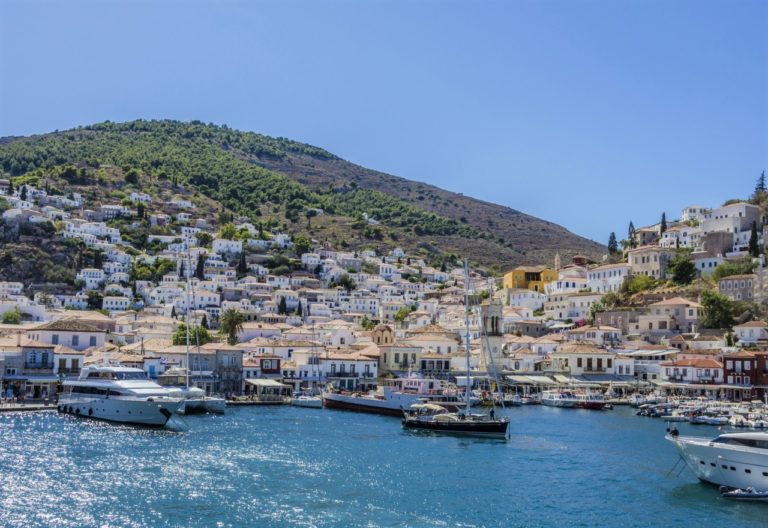
Hydra:
Romantic, elegant, no cars, beautiful stone mansions.
Feels cinematic.
Aegina:
Close, affordable, relaxed, great pistachios, small beaches.
Perfect if you want a simple, stress-free island day.
Poros:
Calm, green, lovely harbor town, ideal for couples.
Travel time:
40 minutes–2 hours depending on the island and ferry.
Local tip:
Hydra is best for “feeling you left the mainland.”
Aegina is best for easygoing, affordable island life. Here’s how to visit Aegina island.
Poros is best for couples and quiet exploration.
👉 Read how to organize an amazing day trip from Athens to the Saronic Islands.
These spots are less touristy and show a more authentic side of the region. If you’ve visited Athens before or want something fresh, start here.
Known for the Battle of Marathon and the origins of the modern marathon race, the area is peaceful, green, and dotted with long sandy beaches.
Perfect for:
Local note:
Combine with the nearby Marathon Lake — a beautiful reservoir surrounded by greenery.
Lavrio is an old mining town turned coastal escape with excellent seafood and a relaxed harbor.
The drive alone — hugging the sea — is worth it.
Why go:
Bonus:
You can continue toward Sounion afterward for a full coastal day.
If you want a “city + sea” combo day without going too far, the Athens Riviera delivers.
Suggested flow:
Local tip:
The tram is slow but scenic; a taxi is faster and affordable.
A quick decision guide, Athens By Locals style:
The goal is simple: pick a destination that matches your mood, not a checklist.
Best option for flexibility. Driving in Athens is manageable, and car rentals are reasonably priced.
👉 Thinking of renting a car for more freedom around Athens? Compare the best deals here with Rentalcars.
Ideal if you want zero stress. Pickup, guide, tickets — everything handled.
👉 Want everything handled with zero stress? Check our trusted GetYourGuide picks for smooth, experiences.
Book early for Hydra. Aegina and Poros have frequent daily departures.
Athens rewards people who understand its rhythm. Below you’ll find simple, honest advice that makes your experience better from the moment you arrive.
Athens is genuinely safe — safer than many major European capitals — but every big city has areas and behaviors worth keeping in mind.
These neighborhoods are lively, well-lit, and full of people at all hours.
These are not dangerous in a dramatic sense — just less ideal for first-time visitors at night.
Local truth: Athenians walk everywhere, even late. If you follow the same instincts you use in any big city, you’ll be perfectly fine.
These are real, recurring mistakes that locals see all the time — and the ones that actually affect your experience.
It’s hot, crowded, and the lighting is harsh.
Morning and late afternoon are the sweet spots.
Great areas for atmosphere — but don’t limit yourself.
The best food often lives in Koukaki, Pangrati, Petralona, and Exarcheia.
If you show up at a restaurant at 18:00, you’ll wonder why it’s empty.
Peak dinner time is 21:00–22:30.
Those bright blue machines have terrible fees.
Use bank ATMs instead (National Bank, Alpha, Eurobank, Piraeus).
Athens is walkable, but not meant to be rushed.
Pick a vibe — history, food, neighborhoods — and follow it.
These aren’t strict rules — just the natural rhythm of the city.
A simple “Yassas” (formal) or “Yassou” (casual) goes a long way.
Not mandatory, but appreciated.
Greek meals are social.
Sharing plates is normal.
Ordering gradually (a few dishes at a time) is perfectly fine.
Athenians take coffee seriously.
Most cafés are laptop-friendly and extremely relaxed.
Athens is lively — talking loudly is not rude; it’s part of the atmosphere.
You don’t need Greek to enjoy Athens, but a few phrases add warmth to your interactions.
These small efforts always bring a smile.
Athenians rely on their phones more than they admit. These apps make everything smoother:
Fast, clean, reliable.
Avoid rush hours for comfort.
Cheap compared to Europe.
Use Beat, not random street hails.
The center is extremely walkable — the best way to discover the city’s character.
Great for the coast.
Less essential inside the center.
Think practical, comfortable, and weather-aware.
Athens is not a city you simply check off your list. It’s a place you return to — sometimes without realizing you’ve already decided to come back. The neighborhoods, the food, the hills, the energy, the sea, the light… everything works together to create an experience that feels both ancient and modern, familiar and surprising.
This guide is the foundation.
But Athens never fits into one article — it spreads out into streets, cafés, rooftops, markets, hills, and small everyday details you notice only when someone points them out.
That’s where we come in.
Athens By Locals was created to help you explore the city the way we do: through local routes, real neighborhoods, honest recommendations, and experiences that feel grounded rather than staged. No generic lists, no filler, no “cookie-cutter” travel writing. Just the city — clearly explained, beautifully written, and always human.
Use this guide as your starting point. From here, you can jump into any topic you want to explore deeper. Here are the next steps depending on what you want to do:
What is Athens known for?
Athens is known for its ancient history, the Acropolis and Parthenon, the birth of democracy, and a vibrant modern culture.
Is Athens safe at night?
Yes, Athens is generally safe at night, especially in areas like Plaka, Koukaki, Thissio, Pangrati, Kolonaki, and the Athens Riviera. The only places to avoid late at night are certain blocks around Omonia and Victoria. Use a taxi app (Beat) for late-night movement and stick to well-lit streets.
Extremely. The historic center is compact and linked by pedestrian zones.
You need 2 to 3 days for a balanced visit.
1 day: essentials like the Acropolis, Plaka, and a sunset hill.
2 days: add the Ancient Agora, a museum, and a neighborhood walk.
3 days: include Athens Riviera or a themed local experience.
The best months are April–June and September–October. The weather is pleasant, days are long, and crowds are manageable. Summer is vibrant but hot; winter is mild and ideal for museum-focused trips.
The easiest options are:
Metro Line 3 directly to Syntagma and Monastiraki
X95 Airport Bus (24/7) to Syntagma
Taxi with fixed fares
Pre-booked transfer for convenience
Travel time is 35–45 minutes depending on the method.
The best neighborhoods for first-timers are Plaka, Koukaki, Syntagma, and Thissio. They’re central, walkable, safe, and close to the major attractions. For a quieter local vibe, choose Pangrati or Kolonaki.
Avoid visiting the Acropolis at midday, eating only in the most tourist-heavy streets of Plaka, using Euronet ATMs, rushing your itinerary, and wandering around Omonia late at night. Stick to local neighborhoods for better food and atmosphere.
Yes, tap water in Athens is clean and safe to drink everywhere in the city. Bring a reusable bottle to refill as you explore.
Easily. The metro is fast and reliable, walking is ideal for the center, taxis are inexpensive with the Beat app, and trams are great for reaching the coastal areas. You do not need a car for the city itself.
The top choices are Delphi, Cape Sounion, Hydra, Aegina, the Athens Riviera, and Lavrio. Each offers a completely different experience — from ancient mountains to island harbors and seaside sunsets.
Written by locals, inspired by mistakes. We’ve wandered into the wrong alleys, trusted the wrong bus stops, and discovered the best rooftops by accident. Every route, shortcut, and tip here comes from real days spent walking this city — not from brochures. If this guide helps you find one better view, one better meal, or one quieter street when you need it, then our job here is done.
A Quick Reminder:
Remember that Athens By Locals is here to guide you with planning the perfect trip to Athens and help you every step along the way. If you didn’t found what you’re looking for, or need any recommendations about your trip to Athens, feel free to contact us and we will do our best to help you. Please be as more detailed as possible regarding your subject so as to help you better.
If you like what you read please scroll down at the end of this page and subscribe to Athens By Locals so next time to receive more articles like this straight forward to your email. Join us on Facebook for comments, photos, and other fun stuff. If you enjoy this article please share it with your friends on Facebook.
Copyright © 2026 Athens By Locals © All rights reserved. No part of this site may be reproduced without our written permission.
Images owned by Athens By Locals. Image Banks or Companies promoted.